How Afternoon Tea Vancouver Blends British Elegance with Global Flavors
Wiki Article
Everything about the Rich Flavors and Traditions of Syrian Cuisine: A Culinary Journey
Syrian cuisine supplies an one-of-a-kind mix of flavors and traditions that reflect its abundant cultural history. With staple ingredients like olive oil and garlic, alongside a selection of seasonings, the meals are both diverse and inviting. From the detailed prep work of kibbeh to the pleasant attraction of baklava, each facet of this cooking landscape discloses deeper tales. As one discovers the essence of these tastes, a better understanding of communal dining and celebration emerges.The Significance of Syrian Ingredients
The essence of Syrian ingredients lies in their abundant diversity and deep-rooted social significance. Influenced by the nation's diverse location and history, Syrian food incorporates a vast variety of seasonings, herbs, and fresh produce. Staples such as olive oil, garlic, and lemon offer a foundation, while flavors like sumac, coriander, and cumin add deepness and intricacy to dishes.The use fresh natural herbs, consisting of parsley and mint, highlights the significance of seasonal active ingredients. Additionally, the region's fertile dirt returns an abundance of vegetables and fruits, such as pomegranates, tomatoes, and eggplants, which are essential to numerous dishes. Grains like bulgur and rice create the base of numerous dishes, emphasizing the relevance of these ingredients in Syrian culture. This mix of flavors reflects not simply a culinary tradition but additionally a tapestry of historical influences, making Syrian components vital to understanding its cuisine's lively character.
Iconic Dishes of Syrian Cuisine
Syrian food is renowned for its iconic meals that display an abundant tapestry of tastes and textures. Standard meze plates offer a range of little dishes that entice the palate, while hearty main dishes offer satisfying centerpieces for meals (Afternoon Tea Vancouver). To finish the experience, a selection of delicious treats adds a sweet note to the culinary tripTraditional Meze Plates

Hearty Main Courses
Hearty primary courses work as the centerpiece of Syrian dining, showcasing a mix of tastes that show the country's abundant cooking practices. Recipes such as kebab hindi, featuring seasoned lamb skewers, and the popular mujaddara, a calming combination of lentils and rice, highlight the use of fragrant spices and fresh components. An additional staple is the iconic kibbeh, made from bulgur wheat and minced meat, commonly served in different kinds, including baked, fried, or raw. In addition, the tastes of the land come alive in dishes like packed veggies, referred to as mahshi, which are loaded with rice, meat, and herbs. These main dishes not just satisfy cravings yet also tell tales of family gatherings and social heritage.Delectable Treats Option
A wonderful selection of desserts defines the wonderful side of Syrian cuisine, providing a tantalizing end to any type of dish. Amongst the most popular confections are baklava, fragile layers of phyllo pastry loaded with nuts and drenched in syrup, and maamoul, shortbread-like cookies usually stuffed with dates or nuts. Knafeh, an abundant treat made from slim noodle-like bread saturated in syrup and split with cheese, is a popular choice, especially during joyful celebrations. In addition, the fragrant and pleasant rice dessert, referred to as roz bil laban, supplies a reassuring coating. These scrumptious desserts not only display the region's culinary competence yet also reflect the social heritage of Syria, making them treasured treats in both homes and restaurants alike.Standard Food Preparation Strategies
Modern benefits have influenced numerous cooking techniques, conventional cooking methods stay crucial to Syrian food. These approaches frequently stress the usage of fresh, seasonal components and concentrate on slow-moving food preparation to create rich tastes. Techniques such as barbecuing, braising, and stewing prevail, permitting the natural preferences of the ingredients to shine through.One noteworthy method is the prep work of kibbeh, a meal made from finely ground meat and bulgur. It requires competent hand-rolling into different forms and can be baked, fried, or offered raw. Additionally, the art of making bread, especially pita, is main to numerous dishes, usually cooked in a standard stone oven.Preservation approaches like pickling and fermenting additionally play a crucial duty, enhancing the diversity of flavors discovered in Syrian meals. These techniques not just reflect the region's farming heritage yet additionally promote a strong feeling of community with shared culinary methods.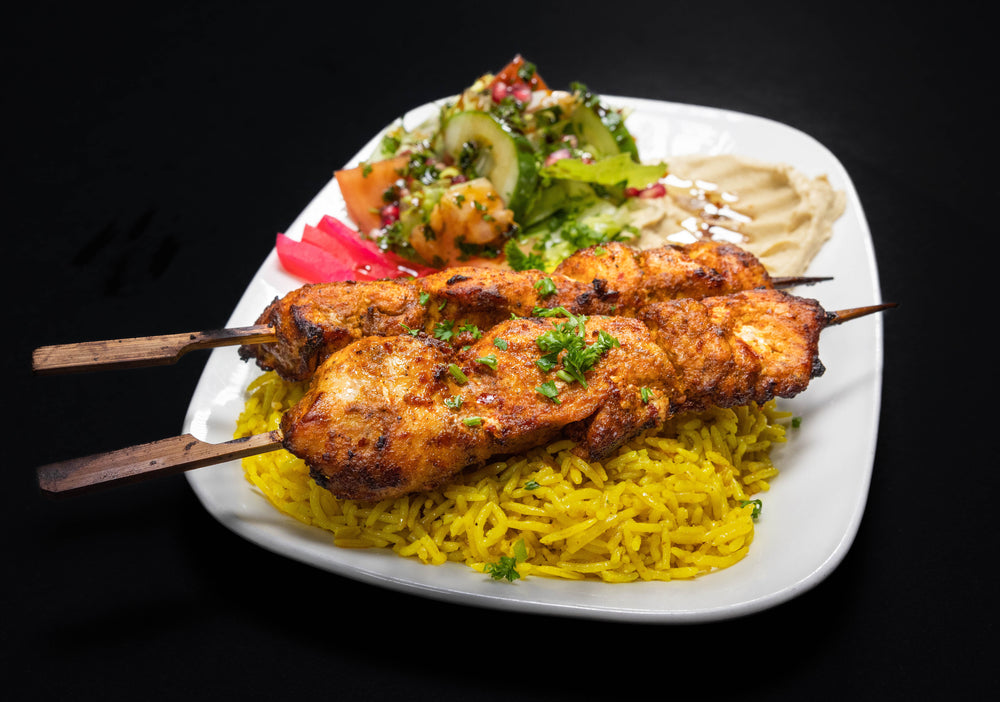
The Function of Spices in Flavor
Seasonings act as the heart beat of Syrian food, instilling dishes with intricate tastes and fragrant deepness. Each flavor plays an essential role, contributing not just to preference yet likewise to the cultural heritage of the region. Commonly used flavors include coriander, sumac, and cumin, each supplying an one-of-a-kind profile that raises traditional recipes. As an example, cumin offers heat and earthiness, while sumac includes a tasty brightness, boosting the overall dish.Syrian chefs frequently blend seasonings to produce harmonious accounts, showing the intricate balance of tastes that specify the cuisine. Making use of spices is not simply for spices; it also offers to maintain food and boost its nutritional value. This thoughtful incorporation highlights a deep understanding of the cookeries, where seasonings end up being vital storytellers, conveying the rich history and varied influences that characterize Syrian gastronomy. Eventually, flavors are important in crafting authentic and unforgettable Syrian recipes.Celebratory Dishes and Joyful Customs
Celebratory meals in Syrian food are noted by conventional feast meals that reflect the country's abundant cooking heritage. Unique occasions commonly entail special routines that boost the communal experience of eating. These custom-mades not just honor the importance of the occasions but also strengthen social and domestic bonds.Standard Banquet Cuisines
When households collect to celebrate significant occasions in Syria, traditional banquet meals take spotlight, showcasing the abundant cooking heritage of the area. These celebrations typically feature vivid platters of mezze, including hummus, baba ghanoush, and tabbouleh, which serve as wonderful beginners. The main dish generally highlights lamb or poultry, marinaded and prepared to perfection, usually gone along with by aromatic rice pilaf or bulgur. One of the most precious meals is maqlooba, a layered rice recipe with veggies and meat, flipped upside down prior to serving. Sweets also play an important duty, with baklava and knafeh using a wonderful coating to the meal. Each meal not only thrills the palate however likewise mirrors the ingrained traditions and common spirit of Syrian society.Special Celebration Routines
Unique occasions in Syria are noted by rich routines that link food and festivity, showing the cultural value of common click here to find out more celebrations. Celebratory dishes usually consist of traditional dishes such as kibbeh, tabbouleh, and different barbequed meats, prepared with treatment and shared amongst friends and family. Throughout spiritual holidays like Eid al-Fitr and Eid al-Adha, families integrated to prepare unique sugary foods like maamoul, representing unity and happiness. Wedding events are especially fancy, featuring multiple training courses and vivid display screens of hospitality. These events are not just concerning food; they incorporate songs, storytelling, and dance, enhancing social bonds and cultural heritage. Through these rituals, Syrians celebrate life's turning points, ensuring traditions are given via generations, enhancing their culinary landscape.The Value of Sharing and Community
Sharing meals is a basic aspect of Syrian society, showing the deep-rooted worths of area and link. In Syria, food is not simply nourishment yet a method of bringing people with each other. Family members and good friends gather around the table to take pleasure in conventional meals, promoting bonds and creating long-term memories. This public dining experience highlights friendliness, where hosts go to great lengths to assure every guest feels welcomed and nourished.The act of sharing food also symbolizes kindness and solidarity, strengthening social connections within communities and bigger neighborhoods. Throughout celebrations, it prevails for individuals to offer each various other, showcasing a spirit of togetherness that transcends distinctiveness. Parties, whether big or little, are typically noted by the sharing of dishes, where diverse tastes and recipes integrated, mirroring the rich tapestry of Syrian society. Appropriately, the significance of sharing and neighborhood in Syrian food is not only a cooking custom but a crucial social method.A Culinary Expedition of Syrian Desserts
Often overshadowed by mouthwatering meals, Syrian desserts hold a cherished place in the nation's cooking heritage (Afternoon Tea Vancouver). These confections mirror the region's abundant history, blending flavors and techniques from numerous cultures. Traditional treats like baklava, with its layers of phyllo pastry, nuts, and honey syrup, showcase the virtuosity entailed in Syrian cooking. Ma'amoul, a shortbread-like cookie filled with days or nuts, is often planned for festive celebrations, representing hospitality and celebration.Another cherished sweet is Knafeh, a bread taken in syrup and split with cheese or cream, using a fascinating comparison of structures. Syrians likewise take pleasure in a variety of fruit syrups and protects, frequently served with tea or as part of a bigger spread during celebrations. These sugary foods not only satisfy the palate yet also function as a bridge between generations, maintaining the traditions and tales of Syrian culture with each delectable bite
Often Asked Concerns
What Are the Health Advantages of Conventional Syrian Foods?
The health and wellness advantages of conventional Syrian foods include abundant nutrients from fresh veggies, vegetables, and entire grains. These ingredients promote heart wellness, boost food digestion, and supply essential vitamins, adding to total well-being and a well balanced diet.How Has Syrian Cuisine Advanced Throughout The Years?
Syrian cuisine has developed considerably, influenced by historical profession routes, cultural exchanges, and local schedule of components. Conventional dishes have actually incorporated contemporary flavors and methods while preserving their abundant heritage, showing a varied cooking landscape.Are There Vegetarian or Vegan Options in Syrian Cuisine?
Syrian food uses various vegetarian and vegan options, featuring recipes like falafel, tabbouleh, and stuffed grape leaves. These meals highlight the region's rich agricultural heritage, showcasing fresh veggies, grains, and aromatic flavors in vibrant mixes.What Beverages Pair Well With Syrian Dishes?
When taking into consideration drinks that enhance Syrian recipes, one may locate that mint tea, pomegranate, and ayran juice enhance the meal's flavors. In addition, red wine usually sets well with the seasonings commonly located in these cuisines.How Can I Recreate Syrian Meals at Home?
To recreate Syrian dishes at home, one must explore authentic recipes, gather conventional ingredients, and utilize food preparation strategies unique to the food. Explore seasonings and discussion additionally enhances the total eating experience. Syrian food is renowned for its renowned meals that showcase a rich tapestry of structures and tastes. Spices offer as the heart beat of Get the facts Syrian food, instilling meals with complicated flavors and fragrant deepness. Celebratory meals in Syrian food are noted by traditional feast meals that reflect the nation's rich cooking heritage. Celebrations, whether large or little, are frequently noted by the sharing of dishes, where diverse flavors and dishes come with each other, mirroring the rich tapestry of Syrian culture. Syrian food uses my explanation countless vegan and vegan choices, including recipes like falafel, tabbouleh, and packed grape leaves.Report this wiki page